Wiring a light switch is one of the most common and essential tasks for homeowners or DIY enthusiasts. Whether you’re installing a new light fixture, replacing an old switch, or simply learning basic electrical work, understanding how to wire a light switch safely and correctly can save time, money, and hassle.
In this detailed guide, we’ll explain how to wire a light switch step-by-step, what tools you’ll need, and some safety precautions to keep in mind. Let’s get started!
How to wire a light switch :Understanding How a Light Switch Works
A light switch controls the flow of electricity to a light fixture. When the switch is turned ON, it completes the circuit, allowing current to flow to the light. When turned OFF, it breaks the circuit, stopping the current and turning the light off.
There are several types of light switches available, but the most common ones include:
- Single-Pole Switch – Controls one light from a single location (most common).
- Three-Way Switch – Allows control of one light from two different locations.
- Four-Way Switch – Used in setups with three or more switches controlling the same light.
For this guide, we’ll focus on wiring a single-pole switch, which is the easiest and most widely used in homes.
Tools and Materials You’ll Need
Before starting, make sure you have all the tools and materials ready. Here’s what you’ll need:
- Flathead screwdriver
- Phillips screwdriver
- Wire stripper or cutter
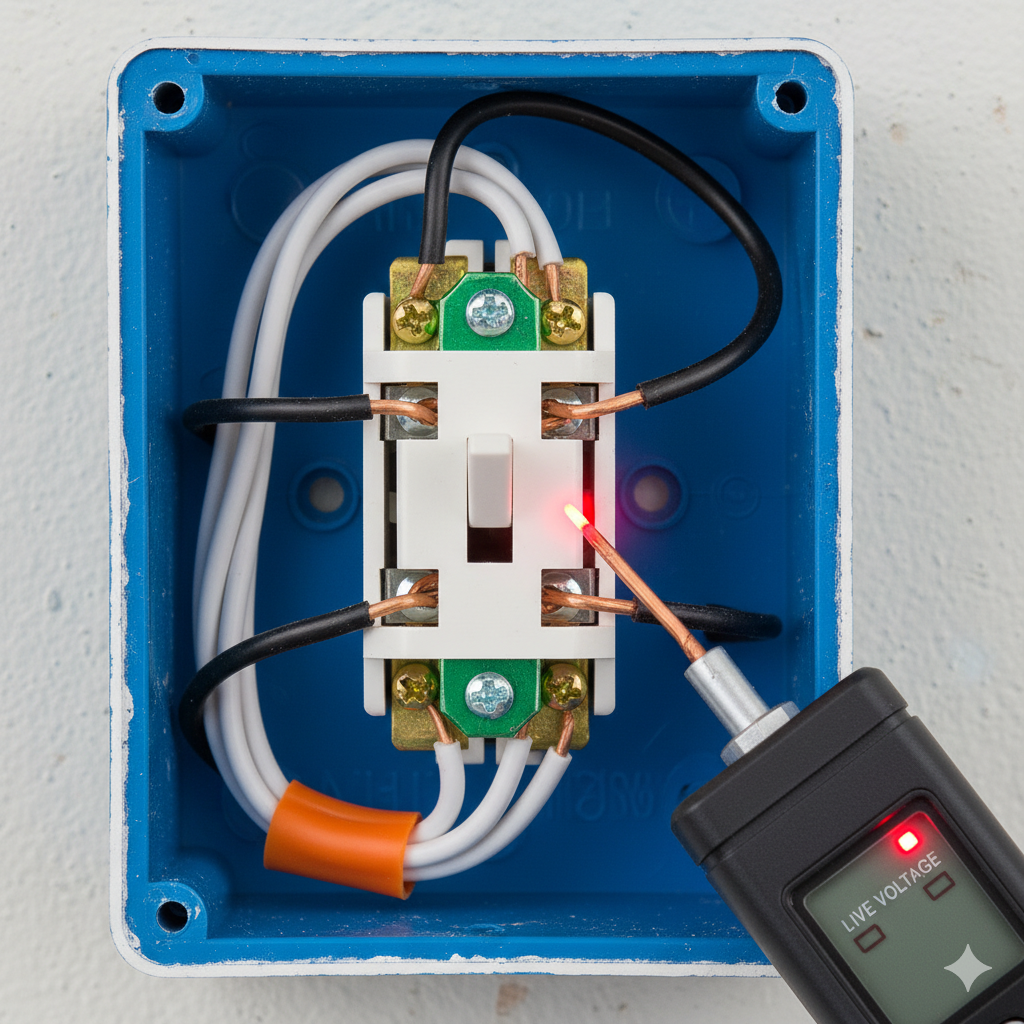
- Voltage tester
- Electrical tape
- Needle-nose pliers
- A new single-pole switch
- Wire connectors (wire nuts)
- Electrical box (if new installation)
Optional: Safety gloves and protective goggles for added protection.
Safety First — Turn Off the Power!
Electrical work always begins with safety. Never attempt to wire a light switch while the power is on.
Follow these safety steps before starting:
- Locate your home’s breaker box (fuse box).
- Find the circuit breaker that controls the light switch you’ll be working on.
- Turn the breaker off to cut the power to that circuit.
- Use a voltage tester to double-check that there’s no power running to the switch.
Once you’ve confirmed that the power is off, you can safely proceed.
Step-by-Step: How to Wire a Light Switch
Let’s walk through the process step by step.
Step 1: Remove the Old Switch (if replacing)
If you’re replacing an old switch:
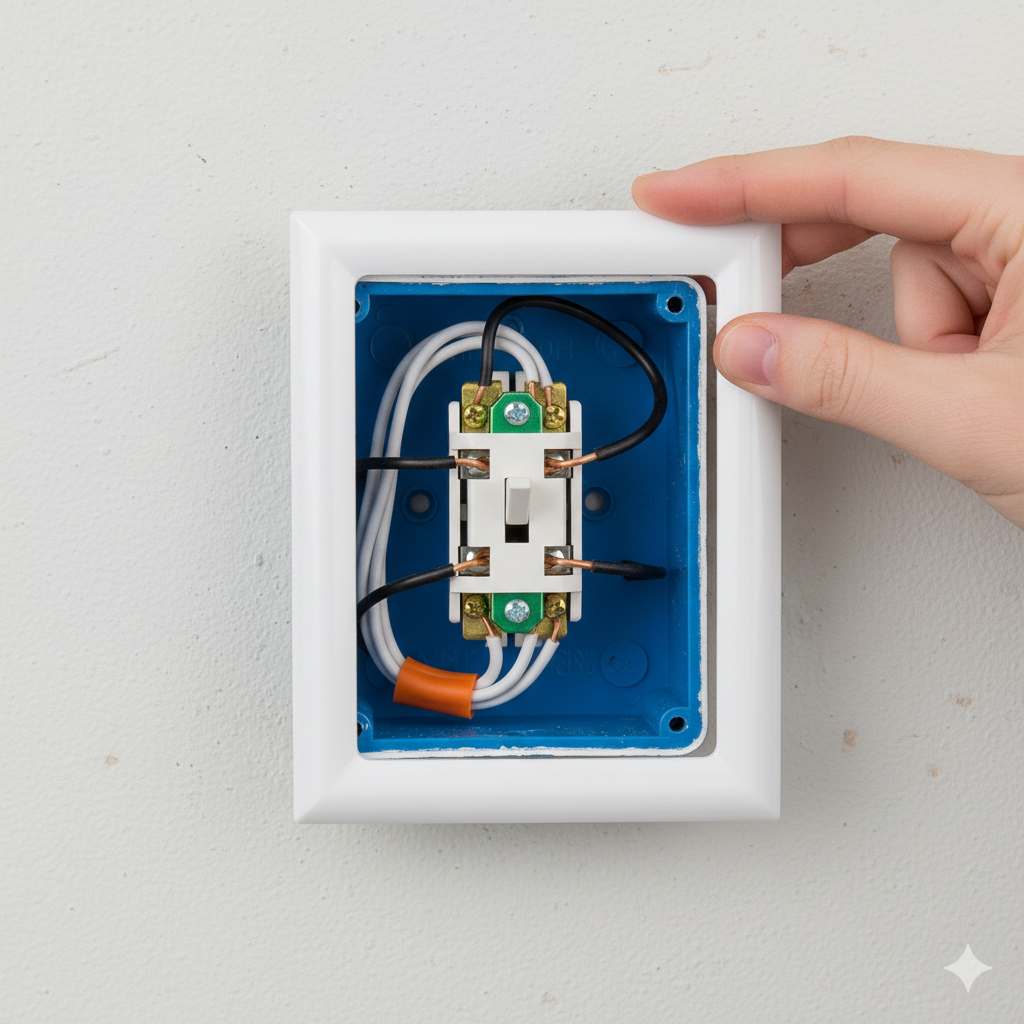
- Unscrew the switch plate cover.
- Remove the two screws holding the switch to the electrical box.
- Gently pull the switch out to expose the wires.
- Take note of how the wires are connected before disconnecting them — you can even take a photo for reference.
- Disconnect the wires carefully by loosening the terminal screws.
Step 2: Identify the Wires
You’ll typically see three types of wires inside the switch box:
- Black (Hot) Wire – Brings electricity from the power source.
- White (Neutral) Wire – Returns the current to complete the circuit (may not always connect to the switch itself).
- Bare or Green (Ground) Wire – Provides safety by grounding the switch.
In most single-pole switch setups, only the hot and ground wires connect to the switch.
Step 3: Connect the New Switch
Now, it’s time to wire the new light switch.
- Connect the black (hot) wire to one of the brass terminals on the switch.
- Connect the second black wire (going to the light fixture) to the other brass terminal.
- Attach the ground wire (bare or green) to the green screw on the switch.
- If there’s a neutral (white) wire, it usually connects directly to the light fixture and not the switch. Cap it off with a wire nut if not in use.
Make sure all connections are tight and secure. Loose wires can cause arcing or short circuits.
Step 4: Secure the Switch in the Box
- Carefully tuck the wires back into the electrical box.
- Align the switch and fasten it to the box using the mounting screws.
- Reattach the switch plate cover.
Ensure that no wires are pinched or touching each other when you close the box.
Step 5: Turn the Power Back On
Now that everything is properly connected and secured:
- Return to your breaker box.
- Turn the circuit breaker back on.
- Test your new light switch — flip it on and off to confirm the light works properly.
If the light doesn’t turn on, turn the breaker off again and double-check your wiring.
Common Wiring Mistakes to Avoid
Even experienced DIYers can make mistakes. Here are a few common ones to watch out for:
- Forgetting to turn off the power – Always verify with a voltage tester.
- Loose wire connections – Can cause sparking or intermittent lighting.
- Wrong terminal connections – Double-check which wire goes to which screw.
- Ignoring the ground wire – Grounding is essential for safety.
- Overcrowded electrical box – Make sure there’s enough space for safe wiring.
Pro Tips for Better Results
- Label your wires before disconnecting them during replacement.
- Use wire connectors (not tape alone) to secure splices.
- If your home’s wiring is old or frayed, it’s best to replace the wires completely.
- Invest in a smart light switch if you want modern features like remote control or voice activation.
When to Call an Electrician
If you encounter confusing wire colors, damaged wires, or unusual setups (like three-way switches or aluminum wiring), it’s best to call a licensed electrician. Electrical safety is not worth risking for a small mistake.
Hiring a professional ensures your wiring meets local electrical codes and operates safely for years.
Quick Summary
| Step | Action | Key Tip |
|---|---|---|
| 1 | Turn off power | Always confirm with a voltage tester |
| 2 | Remove old switch | Note existing wire connections |
| 3 | Connect new switch | Match black to brass, ground to green |
| 4 | Secure and close | Ensure no loose or pinched wires |
| 5 | Power on & test | Flip the switch to test your light |
